Choosing an AI tool in 2026 should not feel harder than using one.
But for a lot of people, that is exactly what happened.
You open one tab for ChatGPT, another for Claude, another for Gemini, or even some kind of AI, then someone tells you there is an all-in-one platform that gives you all of them in one place. Suddenly, the real problem is no longer “Which AI is best?” but “How do I choose without wasting time and money?”
That is the question behind this guide.
I know that feeling because I was in the same place when I first started using AI.
If you have been stuck between using an all-in-one AI platform or paying for individual tools like ChatGPT, Claude, and Gemini separately, here is the simple answer:
It depends on whether you need convenience or depth.
That is really the whole game.
What is an all-in-one AI platform?
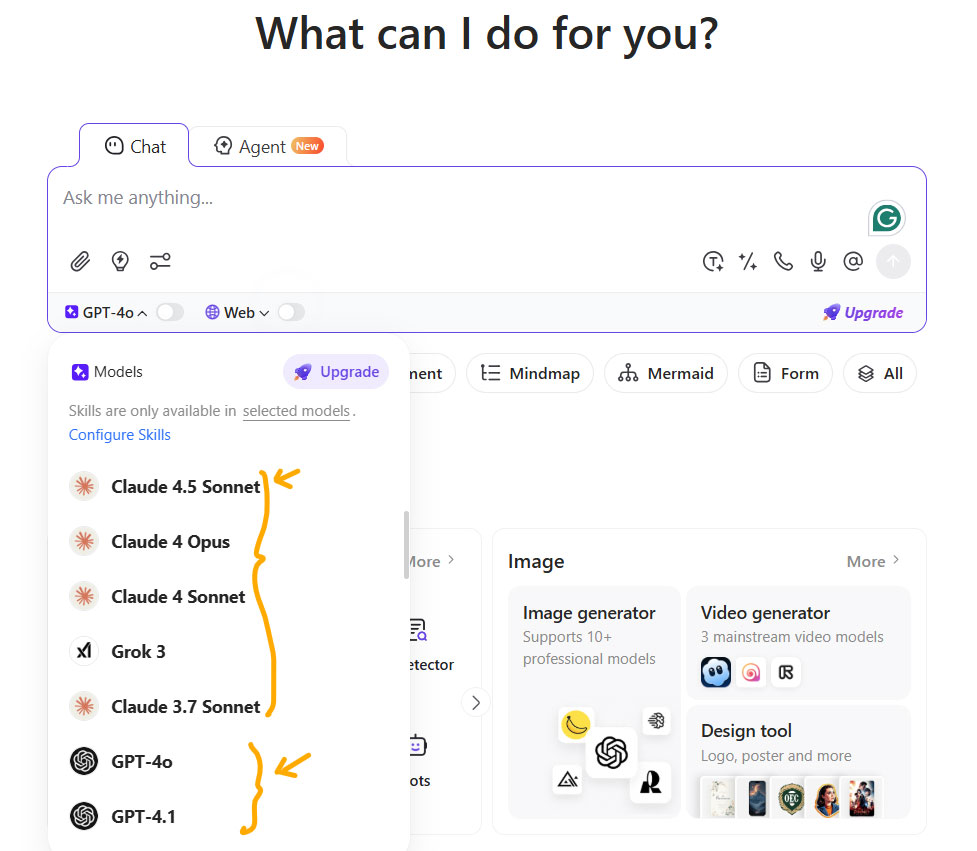
An all-in-one AI platform is a service that gives you access to multiple AI models in one place. Instead of opening separate apps, paying separate bills, and switching between different accounts, you use one dashboard.
Many of these platforms let you access different models, compare answers, and use extra features like writing tools, browser helpers, summaries, and workflows.
Poe, You.com, Monica, and Merlin all position themselves this way, though they do not all work the same way.
In simple words, they try to solve one annoying problem:
too many tools, too many tabs, too much confusion.
What does buying AI tools separately mean?
This is the other path.
Instead of using one platform that bundles many models together, you subscribe directly to the original product. That could mean paying for ChatGPT, Claude, or Gemini separately.
OpenAI offers ChatGPT across free and paid tiers, Anthropic offers Claude across free and paid tiers, and Google offers Gemini access through its Google AI plans and Gemini app experience.
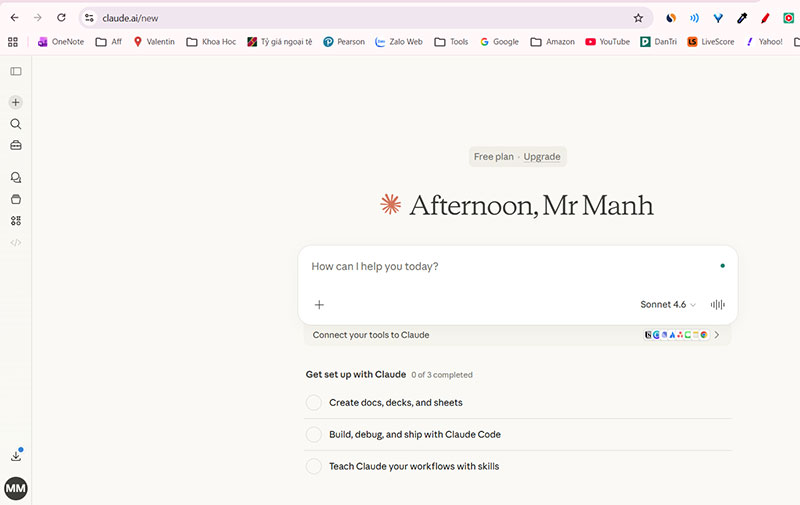
This option is usually more direct. You get the native product. You get the full ecosystem around it. And if you already know which tool fits your workflow, it can be the smarter long-term choice.
But it can also get expensive fast.
Why all-in-one AI sounds so attractive
This is easy to understand.
If you are still exploring AI, an all-in-one platform feels convenient.
- You do not have to commit too early.
- You do not have to guess which model is right before you even know how you will use it.
- You can test different models in one place.
- You can often compare answers side by side.
- And you usually manage one account instead of three or four.
That is a big reason these platforms are appealing.
Poe says it gives access to AI from many companies in a single interface.
You.com says Pro and Team users can access and compare different large language models in one place.
Monica describes itself as an all-in-one AI assistant powered by several major models.
Merlin also promotes access to top models inside one assistant-style experience.
For beginners, that sounds great.
And honestly, sometimes it is.
Popular examples of all-in-one AI platforms
Here are a few well-known examples in the all-in-one AI space.
Poe
Poe is one of the clearest examples in this category. It presents itself as a single interface for accessing AI from many different companies. Poe also highlights model variety as one of its core strengths.
You.com
You.com leans hard into testing and comparing different models. Its own support and product pages emphasize that users can access and compare multiple LLMs in one place.
Monica
Monica markets itself very directly as an all-in-one AI assistant. It combines chat, writing, search, and access to multiple major models across browser, desktop, and mobile.
Merlin
Merlin also fits the all-in-one idea. It offers a browser-based and web app experience built around access to multiple major models, plus productivity features like summaries and research help.
These examples matter for one simple reason:
they are selling convenience, flexibility, and model access in one place.
That is the value proposition.
Why buying ChatGPT, Claude, or Gemini separately still makes sense
Now let’s look at the other side.
Buying tools separately may sound messy, but it has a real advantage:
you get the original experience.
That matters more than many people think.
When you use the native version of a product, you are usually closer to the company’s best features, newest updates, full interface, and deeper ecosystem.
OpenAI’s ChatGPT plans are built around its own product experience.
Anthropic’s Claude plans do the same.
Google folds Gemini into a broader Google AI experience with storage and benefits across its products.
The good news is that all three also have free plans, so you can try them first before deciding if any of them is worth paying for.
If you already rely heavily on one platform, going direct often feels better.
For example:
- heavy ChatGPT users may prefer the native ChatGPT workspace
- heavy Claude users may want Claude’s own experience and team features
- heavy Google users may prefer Gemini because it lives closer to the Google ecosystem
This is why separate subscriptions are not “old-fashioned.”
They are often the better fit for serious users.
The downside of all-in-one AI platforms
This is the part many people skip.
Convenience is great. But convenience is not the same as depth.
An all-in-one platform may give you access to many models, but that does not always mean you get the full native feature set of each tool.
In some cases, access depends on that platform’s own pricing, limits, integrations, or feature choices. Even when the model is there, the full product experience may not be. That risk is built into the all-in-one model itself.
So yes, one dashboard is convenient.
But there is a trade-off.
You may get breadth without full depth.
That is the core compromise.
The downside of buying tools separately
This side has its own problem too.
It gets messy. Fast.
You can easily end up with:
- too many tabs
- too many subscriptions
- too many overlapping tools
- too much money going out every month
And the worst part?
A lot of people pay for more AI than they actually use.
That is why buying three separate subscriptions too early is usually a mistake.
ChatGPT, Claude, and Google AI Pro all have paid plans, and stacking multiple subscriptions can add up quickly even before you know your real workflow.
This is very common with new users. They do not want to miss out, so they subscribe to everything.
Then they realize they mostly use one.
Who should choose an all-in-one AI platform?
In most cases, this is the better fit for:
- beginners
- curious users still testing different models
- freelancers who want flexibility
- marketers comparing outputs
- creators who do many small tasks
- people who want one place to start
If your biggest problem is confusion, an all-in-one platform can reduce that.
It gives you room to explore before you commit.
And that matters.
Because most people do not need every AI tool.
They just do not want to pay for the wrong one.
Who should buy ChatGPT, Claude, or Gemini separately?
This is usually better for:
- power users
- daily users of one tool
- people who already know their workflow
- teams that care about a specific ecosystem
- users who want the deepest product experience
- people who need advanced native features, controls, or integrations
If one tool already feels like home, go direct.
Do not overcomplicate it.
Sometimes the smartest setup is not a clever bundle.
It is just one tool you actually use well.
The real choice: convenience or depth?
This is the part I want to make very clear.
This is not really a battle between better and worse.
It is a choice between:
- convenience and depth
- flexibility and focus
- broad access and a stronger native experience
If you are still figuring things out, convenience matters more.
If your workflow is already clear, depth matters more.
That is why two smart people can make two different choices here and both be right.
My simple recommendation
Here is the practical advice.
Choose an all-in-one AI platform if:
- you are new to AI
- you want to test different models
- you hate switching between tools
- you are still learning what works for you
Buy individual tools separately if:
- you already know which AI you use most
- you want the best native experience
- you need deeper features
- one ecosystem already fits your daily work
And one more thing:
Do not pay for three separate AI subscriptions just because everyone online is talking about them.
That is usually not strategy.
That is just FOMO.
Final verdict
If you are just getting started, an all-in-one AI platform is often the easier first move. It keeps things simple. It helps you explore. And it lowers the chances that you waste money too early.
But if one tool already fits your work really well, buying that tool directly is often the better long-term choice.
So the short answer is this:
Start broad if you are still learning.
Go deep when you know what you need.
That is usually how you pick AI right.